
Neighbors
Sit a hive without picking a fight
Most backyard trouble is not mystery biology. It is a flight path at face height, a dry yard, and a colony that stings without a reason. UF/IFAS already wrote the neighbor rules. Good Neighbor Guidelines and Welcome to the Apiary say the same jobs in different rooms: water at home, a flyway over heads, frames you can pull, a name on a sign. This page is a reading for a residential lot in Orange, Seminole, or Osceola County.
FDACS puts residential, non-ag apiaries under the Beekeeper Compliance Agreement. Register first. The registration door holds that form.

Keep colonies more than 15 feet from a property line, or behind a flyway barrier at least 6 feet high.
Four jobs before the first sting complaint
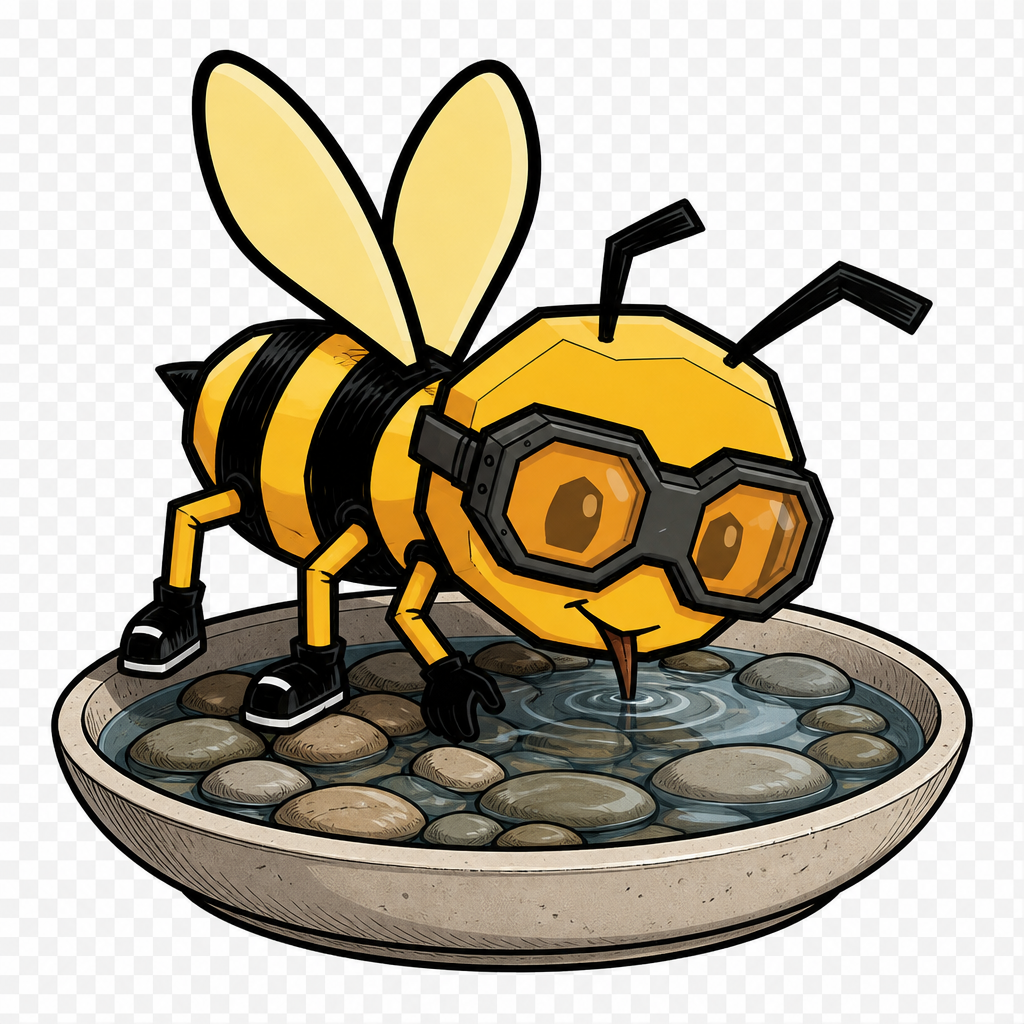
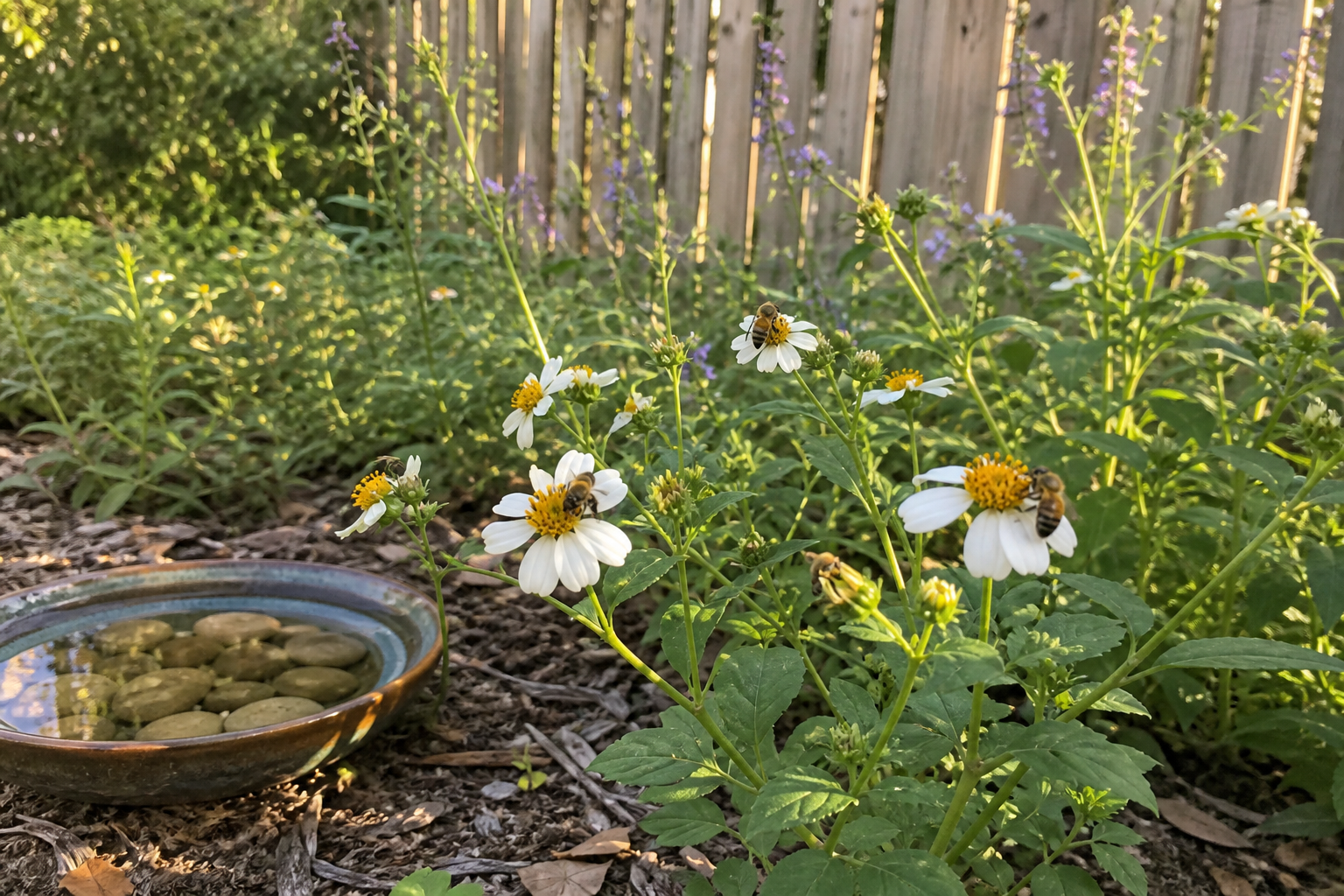
- Water on this ground. A tub with floats, a drip, or a shallow dish with stones. Change standing water so it does not breed mosquitoes. Bees that have a drink at home are less interested in the pool and the dog bowl. A tub with corks or a dish with stones on this lot. Get this. A birdbath works if the water stays shallow enough to land. Get this.
- Flyway. Welcome to the Apiary says keep colonies more than 15 feet from a property line, or behind a flyway barrier at least 6 feet. The Good Neighbor Guidelines talks about a barrier about 6 feet high when hives sit within about 25 feet of a line, extended past the colonies, so bees commute over heads. Face the entrance at the barrier.
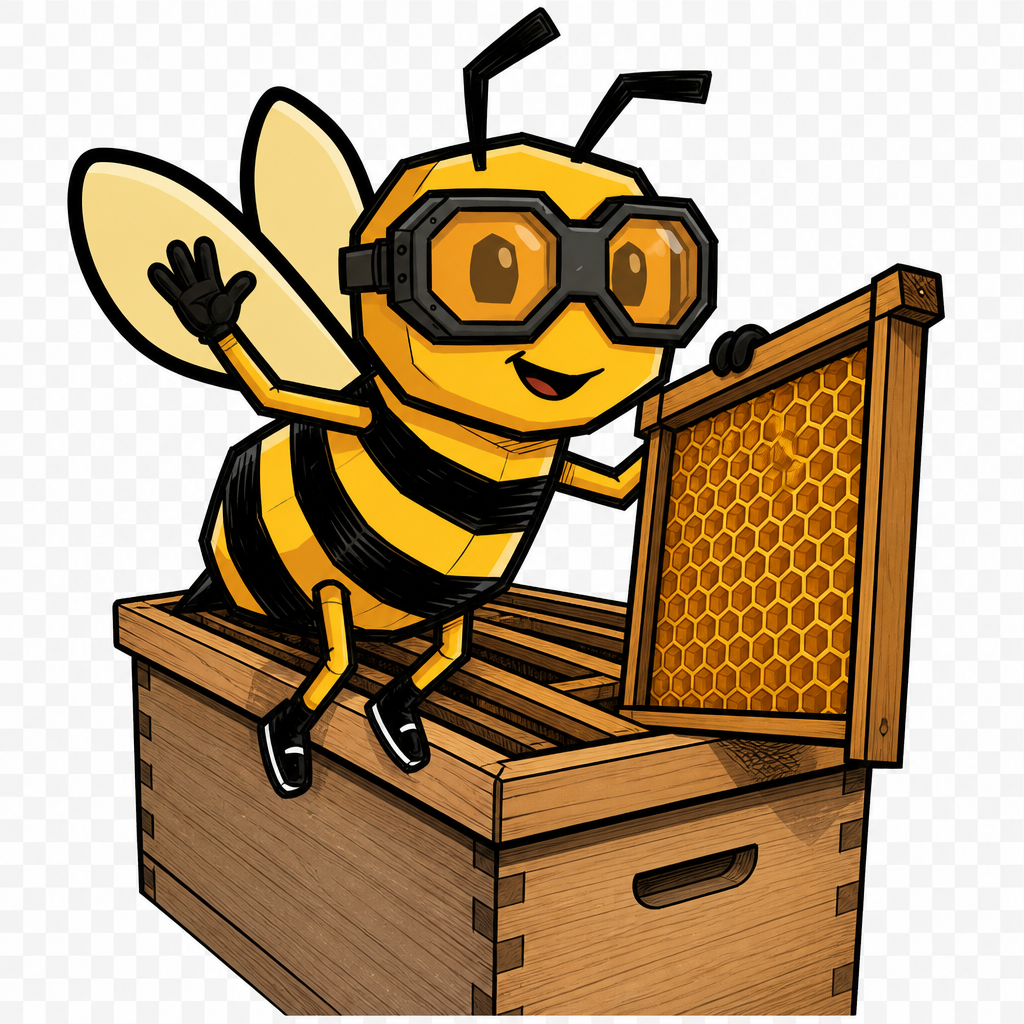
- Frames you can pull. A Langstroth or similar removable-frame hive, in sound condition. Florida registration wants movable frames on residential hives. A box you cannot inspect is a box you cannot manage. The usual first stack on this lot is a ten-frame Langstroth. Get this. A J-hook lifts a frame without rolling the queen. Get this. Habitat work does not require either.
- The sign. Florida wants a name and a phone number posted at the apiary. Wet comb does not belong on the grass. Welcome to the Apiary also says not within 150 feet of tied or fenced animals.
Public land and hot colonies
You do not set hives on schools, parks, or other public ground unless FDACS-DPI issues a special permit and the property manager writes consent. Keep European stock. If a colony starts stinging without cause, requeen. Africanized honey bees are in Florida. You cannot tell them from European bees by looking. FDACS and UF keep explainers. This is not a panic sheet.
Welcome to the Apiary is also the first-open book: smoker, veil, inspection order. Neighbor siting is the first chapter of that work, not a later courtesy. The learn page keeps the inspection sequence.
Questions
Can I skip the box and still be a good neighbor?
Yes. Forage, water, and an unsprayed bloom already feed bees that commute through the lot. Plant lists live on the forage page.
Where are the kits?
On the shop. Water dishes, seed, and optional woodenware. Prices live with the seller.
Sources
- Good Neighbor Guidelines. Water, flyway, movable frames.
- Welcome to the Apiary. 15 feet or a 6-foot barrier, 150 feet from animals, first inspection.
- FDACS Beekeeper Registration. Residential compliance agreement and hive marking.
- FDACS Africanized honey bees. You cannot eyeball the difference.