Pollen is protein
Pollen is protein. Nectar is the other job.
Sugar keeps a cluster from starving in a few days. Pollen builds brood. Mixing those bags is how a keeper buys the wrong one in August. The Benefits of Pollen to Honey Bees is the UF/IFAS nutrition paper. This page is that paper. It does not print a syrup ratio.
All pollens are not equally nutritious to the bees.
What pollen actually does
Honey bees collect nectar, pollen, and water. Nectar, stored as honey, is the carbohydrate. It pays for flight and daily work. Without a carbohydrate surplus, bees perish within a few days. That is why Feed starts with hefting the box. Pollen, stored as bee bread, is the protein. It also carries fats, minerals, and vitamins. Young bees need that protein to finish growing. Brood needs it to be raised at all.
Crude protein in pollen runs from about 6% to 30% of dry weight, depending on the flower. The Benefits of Pollen to Honey Bees treats 20% to 25% crude protein as the useful band for honey bees. High-protein pollen lengthens worker life. Low-protein pollen cuts brood. Canola sits around 23%. Almond sits around 26%. Sunflower sits around 16%. Pine sits around 7%, and honey bees typically skip it even though the tree dumps pollen. Published percentages are a guideline. Methods differ. The paper says to read them that way.
A typical colony of about 20,000 bees collects about 57 kg of pollen in a year. Fifteen to 30% of the foragers are on pollen. One load can weigh about 35% of the bee. It rides the hind-leg baskets, the corbicula. Workers pick pollen by odor and grain shape, not by a lab number. That is why a single pretty bloom can still be a thin diet.
Back in the box, workers add glandular secretions so the pollen stores as bee bread. A surplus lasts a couple of months, not a year. A larva takes about 124 to 145 mg of pollen, about 30 mg of protein. Annual colony need has been estimated from 15 to 55 kg. Open a brood nest and look for mixed colors in the cells: orange, yellow, red, white, green. Quality beats a pile of one color.
One bloom is not a diet
The keeper job on The Benefits of Pollen to Honey Bees is mixed plants, not a bigger pile of one pollen. Many ornamentals never get a visit. A plant that pours nectar may still fail as pollen. Pine is the named miss: lots of dust, poor protein, bees walk past it. When you inspect, mixed colors in the comb is the check. When pollen is short, or you think the pollen on offer is poor, the paper names a substitute or a supplement.
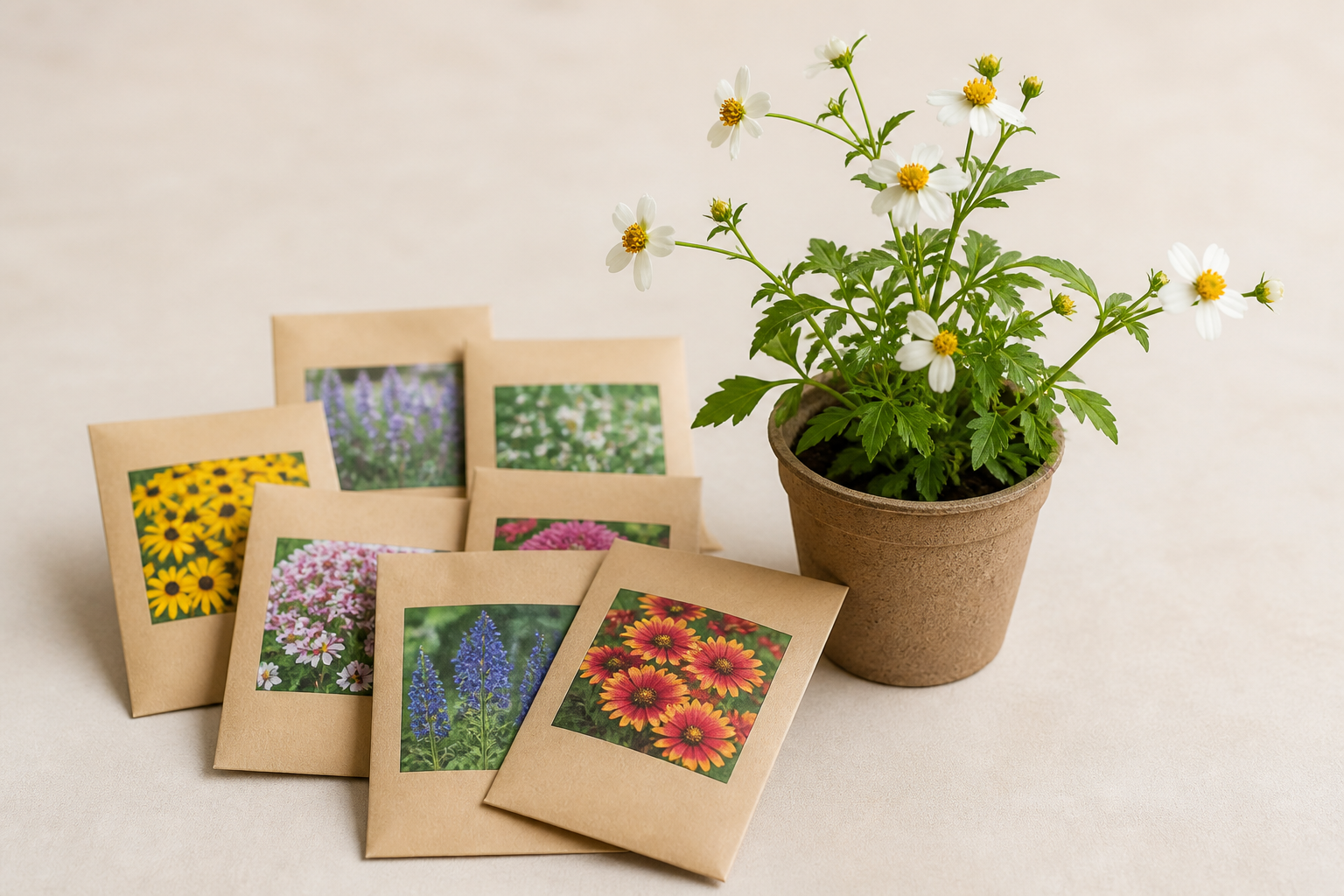
Florida months for what is actually in flower live on The Florida Beekeeping Management Calendar, the same calendar as the year board. Plant names for this band live on Forage. Bidens is a famine bloom on that table, not a protein number. A pollen patty when the comb is one color or empty of pollen. Get this. Bidens alba is the famine bloom on that table, another floral source, not another bag of sugar. Get this.
Water is still a third collection. Bees drink from ponds, taps, a neighbor's pool, a dog dish. In heat they fan water to cool the box. Contaminated water is a spray problem. A clean dish is a habitat problem. Neither is pollen.
Is a pollen patty the same as syrup?
No. Syrup is carbohydrate when the box is light. A patty is protein when pollen is short or poor. The Florida Beekeeping Management Calendar's August row is the syrup job. The Benefits of Pollen to Honey Bees is this page.
Can I feed pine pollen because there is so much of it?
The Benefits of Pollen to Honey Bees names pine as protein-poor, about 7%, and says honey bees typically do not work it. Mixed colors in the comb beat a yellow storm from a tree the bees skip.
Sources
- The Benefits of Pollen to Honey Bees. Bee bread, protein ranges, 20% to 25% crude protein band, mixed plants, substitute when pollen is short.
- Florida Beekeeping Management Calendar. The month table The Benefits of Pollen to Honey Bees points at for Florida bloom.
- Florida Honey Bee Plants. Central Florida plant table. Bidens is on Forage.